

Study in Canada
Expert Guidance for Your Canadian Education Journey
Navigate your study permit application with confidence. From institution selection to post-graduation work options, we help you build your future in Canada, starting with a strong study permit application.
20+ Years Experience
Licensed by Law Society & CICC
Women-Led Immigration Practice
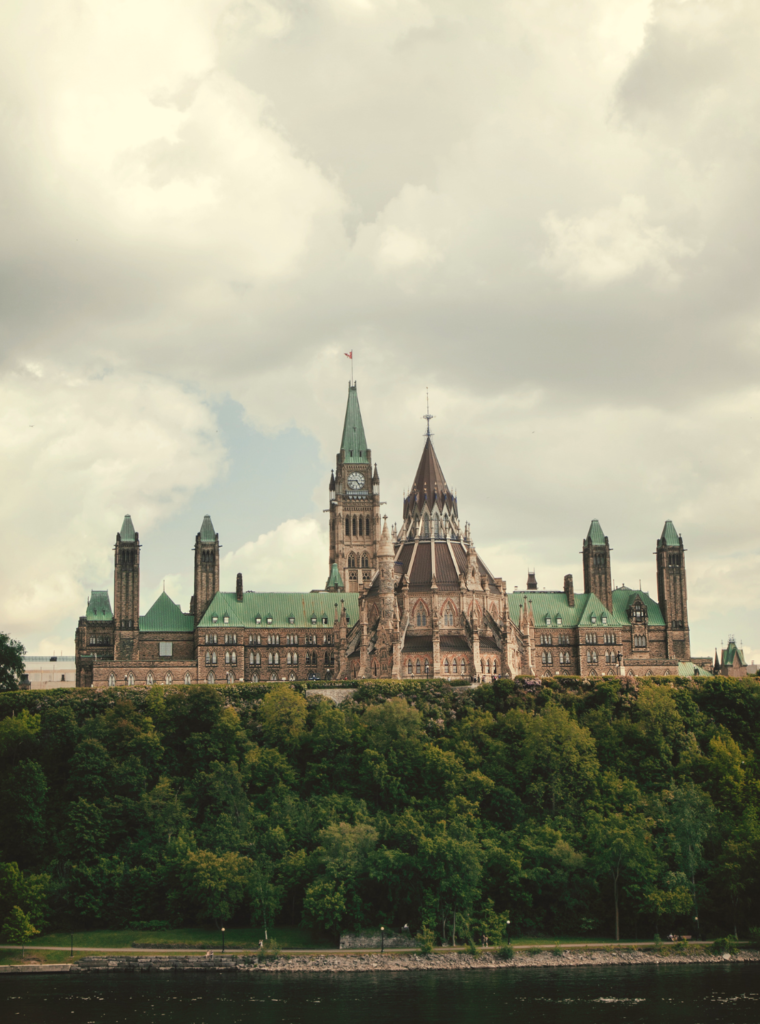
STUDYING IN CANADA - YOUR PATHWAY TO OPPORTUNITY
Canada welcomes over 800,000 international students each year, making it one of the world’s most popular study destinations. And for good reason, Canadian education opens doors to world-class learning, global career opportunities, and potential pathways to permanent residence.
A Canadian study permit allows you to enroll in programs at designated learning institutions (DLIs) across Canada, from undergraduate degrees to graduate programs, diplomas, and certificates. Whether you’re pursuing engineering, business, healthcare, technology, or any other field, Canadian education provides globally recognized credentials that strengthen your career prospects worldwide.
But a study permit is more than just permission to attend classes. It’s your gateway to:
- Part-time work during studies (up to 20 hours per week during academic sessions, full-time during breaks)
- Post-Graduation Work Permit eligibility after completing your program
- Potential pathway to permanent residence through Canadian work experience
- Spouse/partner work authorization (Spousal Open Work Permit)
- Access to world-class education and multicultural learning environment
At IPJ Immigration, we understand that the study permit application process can feel overwhelming, especially when so much depends on getting it right. From choosing the right institution to crafting a compelling Statement of Purpose, we provide the guidance and support you need to strengthen your application and achieve your educational goals in Canada.
STUDY PERMIT ELIGIBILITY REQUIREMENTS
To obtain a study permit, you must meet specific eligibility requirements and demonstrate to Canadian immigration authorities that you’re a genuine student with authentic study plans.
To obtain a study permit, you must meet specific eligibility requirements and demonstrate to Canadian immigration authorities that you’re a genuine student with authentic study plans.
You must prove you can pay for:
- Tuition fees for your first year of study
- Living expenses for yourself (and any family members who come with you)
- Return transportation for yourself and accompanying family members
- Annual living expenses: $22,895 (outside Quebec) or $24,617 (Quebec)
- Plus full tuition for first year
- Plus return transportation costs
Acceptable proof includes: Bank statements, Guaranteed Investment Certificate (GIC), proof of paid tuition, scholarship letters, student loan documentation, financial guarantee from parents/guardians.
You may need to provide a police certificate showing you have no criminal record. This depends on where you’re from and where you’ve lived.
Depending on your country of residence and length of stay, you may need to complete a medical examination by an IRCC-approved panel physician.
You must satisfy the visa officer that you’ll leave Canada when your study permit expires. This is demonstrated through:
- Ties to your home country (family, property, employment opportunities)
- Your post-study plans and career goals
- A compelling Statement of Purpose explaining your genuine study intentions
- Ties to your home country (family, property, employment opportunities)
- Your post-study plans and career goals
- A compelling Statement of Purpose explaining your genuine study intentions
You must convince the immigration officer that you’re a genuine student pursuing authentic educational goals, not using studies as a pretext for immigration or work.
We’ll assess your educational background, financial capacity, and study goals to determine your eligibility and help you prepare the strongest possible application.
Not Sure If You Qualify?
We’ll assess your educational background, financial capacity, and study goals to determine your eligibility and help you prepare the strongest possible application.
COMMON STUDY PERMIT REFUSAL REASONS & HOW TO AVOID THEM
Why Study Permit Applications Get Refused
The most common refusal reason. The visa officer doubts you’re pursuing studies for authentic educational reasons.
How to avoid: Compelling Statement of Purpose (SOP) with specific academic and career goals, logical educational progression, clear explanation of how this program fits your future.
Officer doesn’t believe you’ll leave Canada after your studies.
How to avoid: Strong ties to home country, realistic career plans achievable in your home country, clear post-study intentions.
Cannot demonstrate ability to pay tuition and living expenses.
How to avoid: Comprehensive financial documentation, clear explanation of funding sources, proof of access to sufficient funds.
How to avoid: Comprehensive financial documentation, clear explanation of funding sources, proof of access to sufficient funds.
Weak or vague Statement of Purpose that doesn’t explain your educational goals.
How to avoid: Detailed, specific SOP explaining why this program, why Canada, and how it fits your career trajectory.
Unexplained gaps in education or work history, or dramatic field changes without a clear rationale.
How to avoid: Proactively address gaps and changes in your SOP with honest, logical explanations.
History of refused visas (Canada or other countries) without addressing underlying issues.
How to avoid: Disclose previous refusals, explain what has changed, demonstrate you’ve addressed previous concerns.
Officer believes you intend to remain in Canada after studies.
How to avoid: Evidence of family ties, property, employment prospects, business interests in home country.
Pursuing studies at an age considered unusual for that level of education.
How to avoid: Clear explanation in SOP of career motivations and why this education is necessary at this stage of life.
Previous poor grades or incomplete programs without explanation.
How to avoid: Address academic challenges honestly in SOP, show improvement, explain circumstances.
How Professional Guidance Helps You Avoid Refusals
Our thorough review process identifies potential red flags before you submit. We help you address concerns proactively in your SOP and ensure your application presents you as a genuine student with clear, realistic study goals.
THE STATEMENT OF PURPOSE (SOP) - YOUR MOST CRITICAL DOCUMENT
The Statement of Purpose (also called Study Plan or Letter of Explanation) is arguably the most important document in your study permit application. It’s your opportunity to tell immigration officers your story, who you are, why you want to study in Canada, and what you plan to do after graduation.
IRCC officers read thousands of applications. A compelling, well-crafted SOP can set you apart and address potential concerns before they become refusal reasons. A poorly written SOP, even if everything else in your application is perfect, can lead to denial.
An SOP is a personal essay (typically 1,000-1,500 words, about 2 pages) that explains:
- Your academic and professional background
- Why you chose to study in Canada (specifically)
- Why you chose this particular program and institution
- How this education fits into your long-term career goals
- Why you’re a genuine student with the intent to return home after studies
- Your financial capacity to support your studies and living expenses
- Your ties to your home country
Think of it as your interview on paper. The visa officer will never meet you in person during the study permit process, so your SOP is how you establish credibility, demonstrate genuine intentions, and address concerns proactively.
Genuine Study Intentions
Officers want to see that you’re pursuing education for authentic academic and career advancement reasons, not as a backdoor to immigration or work.
Logical Educational Progression
Your chosen program should make sense given your previous education and career experience. Significant gaps or dramatic field changes need clear, convincing explanations.
Realistic Career Plans
Your post-study goals should be achievable and align with your home country’s job market. Vague statements like “I want to help my country develop” aren’t convincing.
Strong Ties to Home Country
Family connections, property ownership, job prospects, business interests, or other ties that give you compelling reasons to return after graduation.
Financial Capacity
Clear explanation of how you’ll fund your education and living expenses, with supporting documentation.
Specific, Personal Details
Generic, template-style SOPs are immediately recognizable. Your SOP must be unique to your situation, with specific details about your background, motivations, and plans.
- Generic, template-based content that could apply to any student
- Weak explanation for why Canada (vs. studying in home country or elsewhere)
- Vague career goals without specific job titles, industries, or realistic plans
- Unexplained educational gaps or dramatic field changes
- No clear ties to home country or plan to return
- Plagiarized content or copying from online samples
- Poor grammar, spelling errors, or unprofessional tone
- Contradictions between SOP and other application documents
- Too short or too long aim for 1,000-1,500 well-crafted words
- Failure to address potential concerns proactively (age, previous refusals, study gaps, etc.)
Our study permit service includes expert Statement of Purpose guidance designed to help you create an SOP that tells your unique story convincingly.
What’s Included in Our SOP Guidance:
Personalized SOP Strategy Session
We discuss your educational background, career goals, reasons for choosing Canada and your specific program, and any potential concerns that need to be addressed.
Comprehensive SOP Template & Outline
Structured framework that ensures you cover all essential points in a logical, compelling order.
Section-by-Section Guidance
Detailed instructions on what to include in each section of your SOP:
- Introduction (who you are, what you’re applying for)
- Academic background (education history, achievements)
- Professional experience (if applicable)
- Why Canada (specific reasons, not generic statements)
- Why this program and institution (research-backed, specific fit)
- Career goals (realistic, specific, achievable in home country)
- Financial capacity (how you’ll fund studies)
- Intent to return (ties to home country, post-study plans)
- Conclusion (strong closing statement)
Review of Your Draft SOP
We review your completed SOP draft and provide detailed feedback on:
- Content strength and persuasiveness
- Logical flow and structure
- Potential red flags or weak points
- Grammar, tone, and professionalism
- Alignment with your other application documents
Revision Recommendations
Specific suggestions for strengthening weak areas, addressing concerns proactively, and making your narrative more compelling.
This is NOT ghostwriting. Your SOP must be written in your own words and reflect your genuine story. We provide the strategic framework, expert guidance, and thorough review to help you create the strongest possible SOP yourself.
Introduction (1 paragraph)
Clear statement of your intent to study [specific program] at [specific institution] in Canada.
Academic Background (1-2 paragraphs)
Your educational history, relevant coursework, academic achievements, and how they prepared you for this program.
Professional Experience (1-2 paragraphs, if applicable)
Work experience, internships, or projects relevant to your field and how they informed your decision to pursue further education.
Why Canada & Why This Program (2-3 paragraphs)
Specific, researched reasons for choosing Canada and this particular program/institution. What makes this program uniquely suited to your goals? What specific faculty, research opportunities, curriculum elements, or resources attracted you?
Career Goals & Future Plans (2-3 paragraphs)
Realistic, specific career objectives. What job role do you want? In what industry? How will this Canadian education help you achieve this in your home country? What opportunities exist in your home country’s market?
Financial Capacity (1 paragraph)
Brief explanation of how you’ll fund your education (savings, family support, loans, scholarships) with reference to supporting documents.
Ties to Home Country & Intent to Return (1-2 paragraphs)
Family ties, property, business interests, career opportunities, or other compelling reasons to return home after studies.
Conclusion (1 paragraph)
Strong closing statement reaffirming your genuine study intentions and commitment to complying with all visa conditions.
THE STUDY PERMIT APPLICATION PROCESS
Step-by-Step: From Acceptance Letter to Study Permit Approval
Understanding the study permit process helps you plan your timeline and ensure you submit a complete, accurate application.
What Happens: You research Canadian institutions, apply to programs, and receive an acceptance letter from a Designated Learning Institution.
Key Tasks:
- Research DLI institutions and programs
- Prepare application materials (transcripts, test scores, references)
- Apply to chosen programs
- Receive Letter of Acceptance (LOA)
Important: You cannot apply for a study permit without a valid acceptance letter from a DLI.
What Happens: You gather all required documents, prepare your Statement of Purpose, and complete a medical examination and biometrics.
Key Documents:
- Acceptance letter from DLI
- Proof of financial support
- Statement of Purpose (study plan)
- Passport and photos
- Language test results (if required by institution)
- Academic transcripts and certificates
- Police certificate (if required)
- Medical examination results (if required)
- Custodianship declaration (if under 17)
Our Role: We provide a complete document checklist, SOP guidance and review, and ensure your application addresses all requirements.
What Happens: Complete application is submitted online through IRCC portal.
Application Options:
Online Application (Most Common): Submit through IRCC’s online portal. Faster processing, ability to upload documents electronically, easier to track application status.
Paper Application: Submit by mail to the visa application center. Slower processing, used only when an online application isn’t possible.
Our Role (Guided Application Review): Final review of your completed application before submission.
Our Role (Full Care Representation): Complete and submit the entire application on your behalf as your authorized representative.
What Happens: Most study permit applicants must provide biometrics (fingerprints and photo) at a designated collection point. Medical examination is required for certain countries and program lengths.
Biometrics: After submitting your application, you’ll receive a biometrics instruction letter. You have 30 days to provide biometrics at a designated collection center.
Medical Examination: If required, must be completed by an IRCC-approved panel physician.
What Happens: IRCC reviews your application, verifies documents, and may request additional information.
Processing Times (Approximate): Vary significantly by country of residence:
- Some countries: 4-6 weeks
- Others: 12-16 weeks or longer
Check current processing times for your country on the IRCC website.
Potential Requests:
- Additional financial documentation
- Clarification of study plans
- Additional information about ties to the home country
- Interview (rare, but possible)
Our Role: Monitor application, respond to IRCC requests promptly (Full Care Representation), provide guidance on additional documentation.
What Happens: IRCC issues a decision. If approved, you receive:
Port of Entry Letter of Introduction: This is NOT your study permit. This letter authorizes you to travel to Canada and apply for your actual study permit at the port of entry.
What to Do:
- Ensure you have all original documents when travelling
- Present your Port of Entry Letter to a CBSA officer at the Canadian border
- CBSA officer will issue your actual study permit at the port of entry
Study Permit Issued at Port of Entry: The physical study permit document is issued when you arrive in Canada and complete the landing process.
If Refused: You’ll receive a refusal letter explaining reasons. Options may include:
- Reapplying with a stronger application addressing refusal reasons
- Requesting reconsideration (in limited circumstances)
- Seeking judicial review (for serious procedural errors)
Total Timeline: From application submission to approval typically ranges from 4-20 weeks depending on your country of residence.
WORKING WHILE STUDYING IN CANADA
Part-Time Work During Studies
Most full-time students at designated learning institutions can work part-time without needing a separate work permit.
Work Authorization for Students:
During Academic Sessions: Up to 20 hours per week (part-time) while classes are in session.
During Scheduled Breaks: Full-time hours during regularly scheduled breaks (winter break, summer vacation).
Requirements:
- Must be a full-time student at DLI
- Must have a valid study permit
- Must have Social Insurance Number (SIN)
- Work is off-campus (on-campus work has different rules)
Co-op or Internship Work Permits: If your program includes a mandatory co-op or internship placement, you’ll need a separate co-op work permit.
One of the most valuable benefits of studying in Canada is eligibility for a Post-Graduation Work Permit after completing your program.
What is a PGWP? An open work permit that allows you to work for any employer anywhere in Canada after graduation. No job offer required.
PGWP Length:
- Programs 8 months to less than 2 years: PGWP equal to length of program
- Programs 2 years or longer: PGWP up to 3 years
Eligibility Requirements:
- Completed program at an eligible DLI
- Program was at least 8 months long
- Full-time continuous study in Canada
- Apply within 180 days of program completion
- Graduated from public post-secondary or private institutions authorized by provincial law to grant degrees
Why PGWP Matters: Canadian work experience gained through PGWP significantly strengthens your eligibility for permanent residence through Express Entry (Canadian Experience Class) or Provincial Nominee Programs.
PGWP Application: Can only be applied for once in a lifetime, so it’s critical to get it right. We help graduates navigate PGWP applications to ensure they don’t miss eligibility or application deadlines.
If you’re studying at an eligible institution in an eligible program, your spouse or common-law partner may qualify for an open work permit.
Eligibility (for student’s spouse/partner):
- Student must be enrolled in:
◦ Master’s or doctoral degree program, OR
◦ Professional program (medical, law, etc.)
- Proof of relationship (marriage certificate, common-law documentation)
- Valid study permit held by student
Benefits: Your spouse/partner can work full-time for any employer anywhere in Canada while you study.
STUDY PERMIT EXTENSIONS
Extending Your Study Permit
If your program takes longer than expected, you change programs, or you need more time to complete your studies, you can apply to extend your study permit.
When to Apply: Apply to extend at least 30 days before your current study permit expires.
Requirements:
- Still enrolled as a full-time student at DLI
- Making satisfactory progress in your program
- Meet financial requirements
- Continue to meet all study permit eligibility conditions
Implied Status: If you apply to extend before your current permit expires, you maintain “implied status” and can continue studying while waiting for a decision.
Important: If your study permit expires before you apply for an extension, you lose your status and must apply for restoration within 90 days (more complex and expensive process).
We help students navigate study permit extensions, ensuring timely applications and proper documentation.
HOW WE HELP - YOUR TWO SERVICE OPTIONS
Immigration applications require accuracy, completeness, and strategic presentation. That’s why we offer two ways to work with us, both designed to give you clarity, confidence, and the support you need. Some people want to stay hands-on with their application while having expert guidance and review. Others prefer to have a professional team manage the entire process. We respect both approaches.
Option 1: Guided Application Review
You prepare your application with our expert guidance and review.
Perfect for students who want to be hands-on with their application but need professional oversight and Statement of Purpose guidance.
- You’re comfortable gathering documents and completing forms
- You want expert guidance on your Statement of Purpose
- You want professional review to catch mistakes before submission
- You’re looking for cost-effective professional support
Comprehensive Eligibility Assessment
We review your educational background, chosen program, and financial capacity to confirm eligibility.
Expert Statement of Purpose (SOP) Guidance
Personalized SOP strategy session, comprehensive template and outline, section-by-section guidance, review of your draft SOP with detailed feedback, and revision recommendations.
Complete Document Checklist
Customized checklist for your specific situation (initial application, extension, PGWP, etc.).
Application Form Guidance
Clear instructions on completing all required forms accurately.
Full Legal Audit
Once you’ve prepared your complete application, we conduct a thorough review and provide detailed corrections.
Final Verification
Final review before you submit to ensure everything is complete and accurate.
Investment:
- Study Permit (including SOP guidance): $1,400 (Guided Application Review)
- Post-Graduation Work Permit (PGWP): $550 (Guided Application Review)
Option 2: Full Representation
We handle everything for you from start to finish.
Perfect for students who want complete peace of mind, have complex situations, or prefer professional management of their entire application.
- You want a stress-free, fully managed application process
- You have a complex case (previous refusal, study gaps, field changes)
- You prefer a legal team to handle all aspects of your application
- You value ongoing communication and professional representation
Complete Application Preparation
We prepare all forms, organize all documents, and compile your complete application package.
Professional Statement of Purpose Development
We work with you to develop a compelling SOP that tells your story strategically and addresses all IRCC concerns.
IRCC Communication
We act as your authorized representative and handle all correspondence with IRCC on your behalf.
Additional Document Requests
We manage any requests from IRCC for additional information or clarification.
Ongoing Support & Updates
Regular communication throughout the process from application to approval.
Investment:
- Study Permit (including SOP guidance): Starting from $3,000 (Full Care Representation)
- Post-Graduation Work Permit (PGWP): Starting from $1,200 (Full Care Representation)
Final quote provided after initial consultation based on case complexity.
Still Not Sure Which Option Fits?
Book a free 15-minute discovery call. We’ll discuss your situation and help you choose the service level that matches your needs, timeline, and comfort level.
How We Charge: Clear, Fair, and Transparent
We believe you should know exactly what to expect. Our fees are straightforward, with no hidden costs or surprises.
Study Permit:
- Professional Verified: $1,400 (includes SOP guidance)
Post-Graduation Work Permit (PGWP):
- Professional Verified: $550
Study Permit:
- Full Care Representation: Starting from $3,000
Post-Graduation Work Permit (PGWP):
- Full Care Representation: Starting from $1,200
If you start with a Guided Application Review and choose to upgrade to Full Care Representation before your application is submitted, we will credit the full amount you already paid toward your new fee.
Our professional fees cover our guidance and advisory work only. There are additional costs every student must pay:
Government Fees:
- Study permit application: $150 CAD
- Biometrics: $85 CAD
- PGWP application: $255 CAD
- Work permit (if applicable): $155 CAD
Third-Party Costs:
- Language testing (IELTS/TOEFL/etc.): $300-$400
- Medical examination: $200-$450
- Police certificates: $50-$150 per country
- Translations and notarizations: Varies
- Courier fees: Varies
Program Costs:
- Tuition fees: Varies by institution and program
- Student insurance: Varies
- Living expenses: $22,895+ per year
HST: 13% on professional fees
For Guided Application Review clients: You pay these costs directly to the government or service providers.
For Full Care Representation clients: You provide us with required funds, and we make payments on your behalf. These costs are separate from our professional fees. We always get your approval before making any payments.
WHY CHOOSE IPJ IMMIGRATION FOR YOUR STUDY PERMIT APPLICATION
Choosing the right immigration support can make all the difference in your permanent residence journey. Here’s what sets IPJ Immigration apart:
Experienced in Both Simple and Complex Cases
From straightforward applications to misrepresentation, inadmissibility, and procedural fairness letters, we bring over 20 years of experience to every situation, whether you need full representation or a guided review before submitting.
Warm, Human Support for Every Client
We take the time to understand your story, your goals, and your concerns. You’re never treated like a file number, you’re a person, and your journey matters.
ESL‑Friendly Communication
We explain every step in clear, simple language. No jargon. No confusion. Just steady, accessible guidance that supports both full-service clients and those completing their own applications.
Thorough, Organized Application Preparation
Every form, document, and submission is reviewed with care to reduce delays and strengthen your application , including detailed reviews for clients who want expert feedback before submitting on their own.
Transparent, Predictable Process
You always know what stage you’re in, what comes next, and what we’re doing on your behalf. No surprises, no uncertainty.
Clear, Steady Guidance You Can Trust
Immigration can feel overwhelming, especially when you’re preparing your application on your own. We provide calm, organized support so you always know what to expect and how to move forward.
A Women‑Led, Family‑Run Firm
Our approach is grounded in empathy, integrity, and genuine care, values that shape every interaction and every application we support.
A Lawyer and Immigration Consultants Working Together
Your application benefits from a team that combines legal insight with regulated Canadian immigration consulting. Our professionals are licensed by the Law Society of Ontario and the College of Immigration and Citizenship Consultants, and we maintain active memberships with CILA and CAPIC to stay current with evolving policies and best practices. This collaborative approach strengthens your strategy, reduces errors, and ensures your case is reviewed from multiple professional perspectives. This collaborative approach strengthens your strategy, reduces errors, and ensures your case is reviewed from multiple professional perspectives.
Our Regulators


Our Associations

What Our Clients Say
Every application represents someone’s hopes, dreams, and future. Here are just a few of the people we’ve been honored to help.
Posted onTrustindex verifies that the original source of the review is Google. Nasz proces w staraniu sie o pobyt staly byl dlugi i skomplikowany,ale zakonczyl sie pomyslnie.To wszystko wlasnie dzieki pomocy i pracy pani Ireny i jej zespolowi.Bardzo dziekujemy i polecamy.Posted onTrustindex verifies that the original source of the review is Google. 😊MY REVIEW: ⭐️⭐️⭐️⭐️⭐️ /5 for IPJ IMMIGRATION SOLUTIONS and Ms. IRENA BARTOSZEWICZ — God bless you! 🙏🤝🏻 You practically saved my life 😊🙏! I was OUT OF STATUS for 12 years… and in just 18 months, I became a PERMANENT RESIDENT 😊🥳. I could’ve achieved it in 8 months, but IRCC was backlogged with applications. She’s my first and BEST immigration consultant in Canada — I highly recommend her. I wouldn’t trade her for anyone in my entire life!! 😁👋👋👋👋......................POLISH TRANSLATION: MOJA OPINIA: ⭐️⭐️⭐️⭐️⭐️ /5 dla IPJ IMMIGRATION SOLUTIONS i pani IRENY BARTOSZEWICZ — Niech Bóg Wam błogosławi! 🙏🤝🏻 Dosłownie uratowaliście mi życie 😊🙏! Przez 12 lat byłem BEZ STATUSU… a w ciągu zaledwie 18 miesięcy zostałem STAŁYM REZYDENTEM 😊🥳. Mogłem to osiągnąć już w 8 miesięcy, ale IRCC miało opóźnienia w rozpatrywaniu wniosków. To moja pierwsza i NAJLEPSZA konsultantka imigracyjna w Kanadzie — gorąco ją polecam. Nie zamieniłbym jej na nikogo przez całe życie!! 😁👋👋👋👋Posted onTrustindex verifies that the original source of the review is Google. Fantastic experience with IPJ Immigration Solutions. Their guidance made our PR application straightforward and completely stress-free. We never had to worry about missing a document or making a mistake — Ms. Irena guided us through every step and made sure everything was perfectly taken care of down to the last detail. I received my PR within just seven months from submitting the application to the government. Highly recommend!Posted onTrustindex verifies that the original source of the review is Google. Really happy with the service we got from IPJ Immigration Solutions. They were clear and always kept us updated, which made the whole process way less stressful than we expected. Irena and Paulina were professional, knowledgeable and always ready to answer our questions. Glad we went with them-would recommend if you're looking for Immigration help. Thank you again to the team!Posted onTrustindex verifies that the original source of the review is Google. Amazing experience. Always on time, always in touch. Thank you for everything.Posted onTrustindex verifies that the original source of the review is Google. Jestem bardzo zadowolony z ich serwisu dziękuję bardzoPosted onTrustindex verifies that the original source of the review is Google. Excellent service. Very professional, knowledgeable, and reliable. She guided me through the process clearly and efficiently, and I felt fully supported the entire time. Highly recommend.
Frequently Asked Questions
A DLI is a school approved by a provincial or territorial government to host international students. You can only apply for a study permit if you’ve been accepted to a DLI. Verify your institution’s DLI status before applying.
Processing times vary significantly by country of residence. Some countries see processing in 4-6 weeks, while others may take 12-20 weeks or longer. Check current processing times for your country on the IRCC website.
Yes, most full-time students at DLIs can work up to 20 hours per week during academic sessions and full-time during scheduled breaks without needing a separate work permit.
An SOP (also called Study Plan) is a personal essay explaining your educational background, why you want to study in Canada, your chosen program, career goals, and intent to return home after studies. It’s critical because it’s how you demonstrate genuine study intentions and address visa officer concerns.
You must show you can pay for tuition (first year), living expenses ($22,895 for outside Quebec, $24,670 for Quebec), and return transportation for yourself and any family members accompanying you.
If you’re enrolled in a Master’s or doctoral program, your spouse/common-law partner may be eligible for an open work permit allowing them to work full-time for any employer.
A PGWP is an open work permit that allows you to work for any employer anywhere in Canada after completing your studies. The length depends on your program duration (up to 3 years for programs 2+ years long).
Potentially, yes. Canadian work experience gained through a PGWP significantly strengthens your eligibility for permanent residence through Express Entry (Canadian Experience Class) or Provincial Nominee Programs.
Yes, but you must notify IRCC of the change. If you change institutions, ensure your new school is also a DLI. Some changes may require a study permit amendment or extension.
Study permit conditions require you to actively pursue studies and make satisfactory progress. Failing courses or dropping below full-time status can affect your permit validity and future applications.
Yes, you can apply to extend your study permit if you need more time to complete your program. Apply at least 30 days before your current permit expires.
You’ll receive a detailed refusal letter explaining the reasons. You can reapply with a stronger application addressing the refusal reasons, or in some cases, request reconsideration or judicial review.
It depends on your country of residence and the length of your program. Applicants from certain countries or those staying longer than 6 months typically need medical examinations.
Biometrics are your fingerprints and photo. Most study permit applicants (ages 14-79) must provide biometrics at a designated collection center.
Yes, as long as you maintain a valid study permit and have appropriate travel documents (visitor visa or eTA, depending on your citizenship) to re-enter Canada.
Minor students (under 17 in most provinces, under 19 in some) need a custodian declaration, a notarized document from a responsible Canadian adult who will care for them while in Canada.
Yes, dependent children can accompany you. They may be able to study in Canadian public schools without needing their own study permits, depending on the province.
Language requirements are set by the educational institution for admission purposes. The study permit itself doesn’t have specific language requirements, but your SOP should demonstrate language proficiency sufficient for your program.
Previous refusals don’t automatically disqualify you from reapplying, but you must address the reasons for refusal and demonstrate how your situation has changed or strengthened.
How Would You Like to Get Started?
You can reach us in the way that feels most comfortable for you. If you prefer to speak with someone directly, you can book a consultation. If you’re still deciding between Guided Application Review and Full Care Representation, you can complete a short questionnaire and receive a personalized recommendation within 24 hours.
Book a Consultation
Free 15-Minute Discovery Call
A short conversation to understand your situation and help you choose between Full Care Representation and Guided Application Review.
Paid 45-Minute Consultation
A focused session for specific needs such as strategy, refusals, restoring status, or detailed immigration questions.
Clear, practical guidance tailored to your case.
Start With a Guided Questionnaire
Complete a short questionnaire to help us understand your comfort level, your timeline, and the complexity of your situation. A licensed consultant will review your answers and get back to you within 24 hours with a clear, personalized recommendation.